The test is positive: what now?
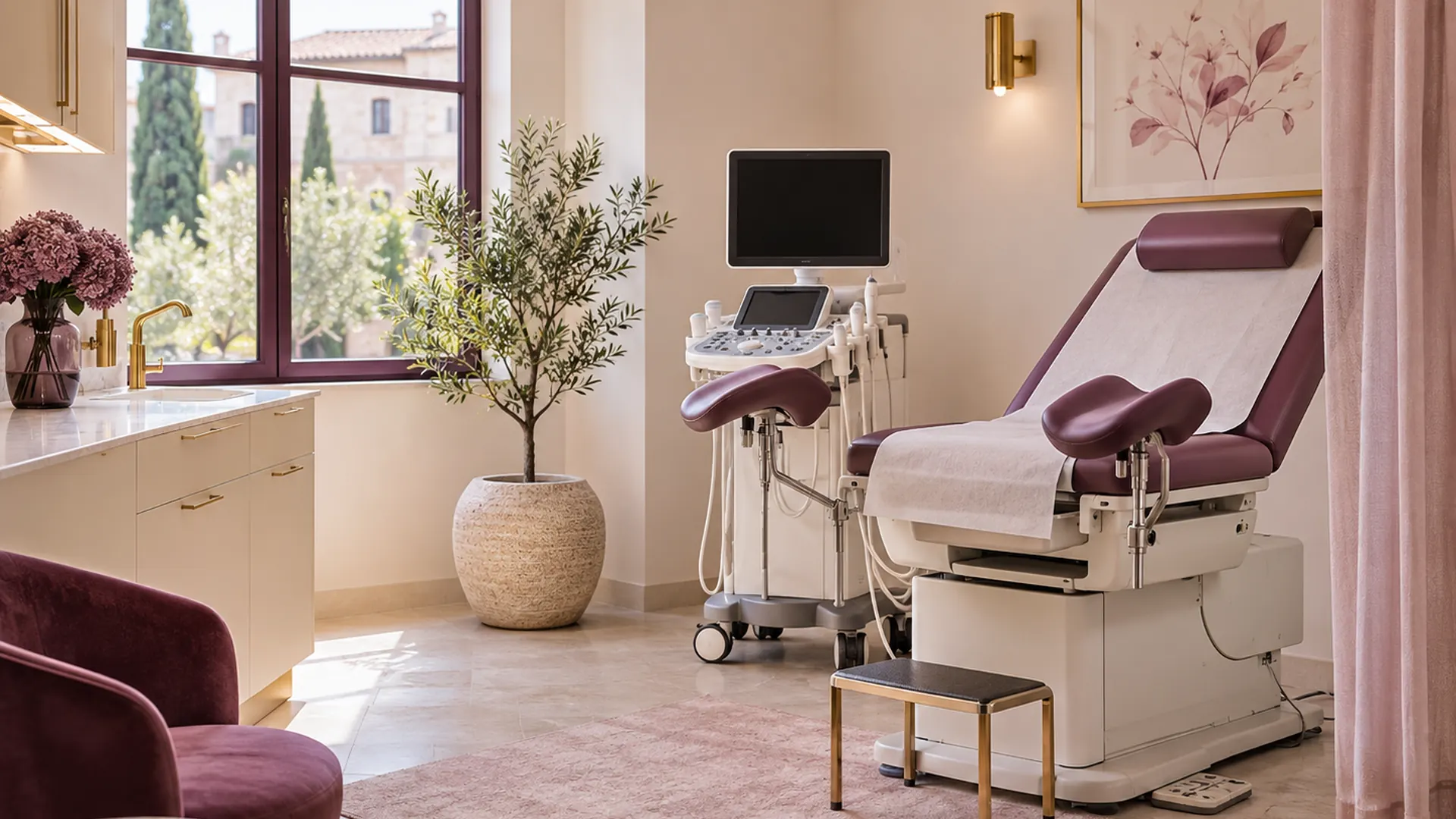
When a home pregnancy test is positive, the first step is to book an appointment. At the visit, an ultrasound checks whether the pregnancy is inside the womb and how many weeks it is. Very early on, the gestational sac or the baby’s heartbeat may not yet be visible; this on its own is not a bad sign and becomes clear with a check shortly afterwards.
At this stage it is important to tell your doctor about any medicines you take and not to start any new medicine without asking.
What happens at the first visit?
First your health history is discussed: chronic illnesses, past operations, previous pregnancies and illnesses in the family. Then an ultrasound is done and the necessary blood and urine tests are requested. Information about supplements such as folic acid is also given at this visit.
What happens in your body in the first three months?
Nausea, tiredness, breast tenderness and frequent urination are common at this stage. How strong the symptoms are varies from person to person. Eating small amounts often, drinking enough fluids and resting usually help. If the nausea is so severe that you cannot keep food and fluids down, you should see a doctor.
Screening in the first trimester
Towards the end of the first three months of pregnancy, between certain weeks, the baby’s development is assessed by ultrasound and some screening tests are discussed. Screening tests do not give a definite diagnosis; they calculate a risk. Which test is suitable for you is explained at the appointment.
When to seek help without waiting
If there is vaginal bleeding, severe or one-sided pelvic pain, a feeling of faintness or a high fever, you should not wait for your appointment day. These signs do not always point to a serious problem, but they must always be assessed. In an emergency, go to the nearest healthcare facility.
This article is for general information only; an examination is needed for personal diagnosis and treatment.