What is laparoscopy?
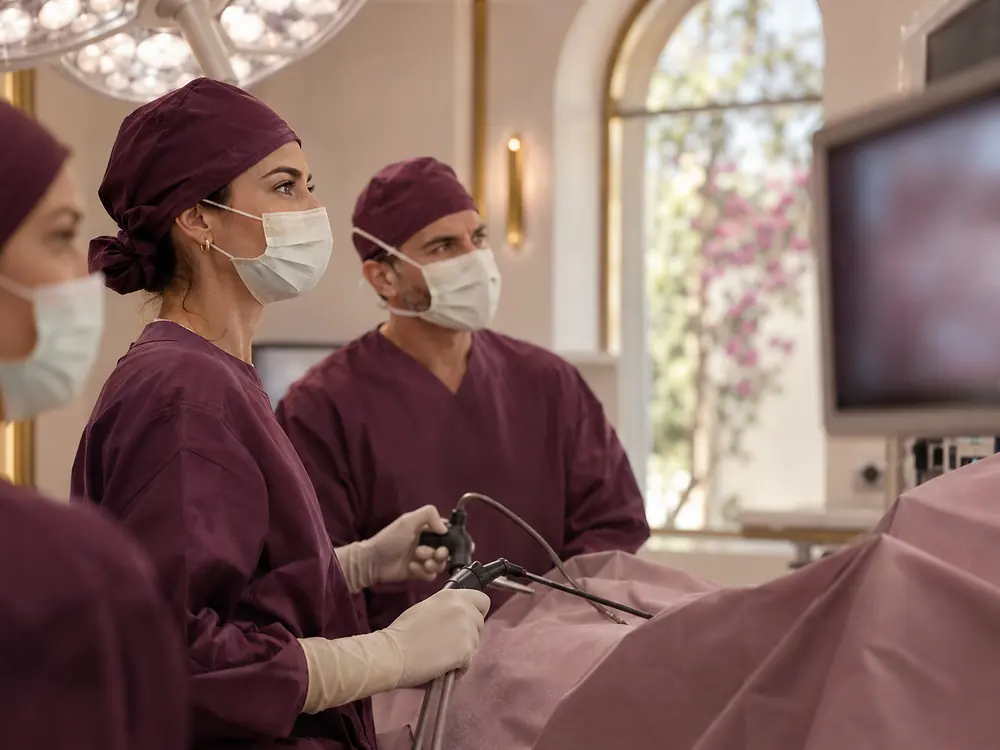
In laparoscopy, a few small cuts are made in the abdomen, and a camera and thin instruments are inserted through them. Ovarian cysts, some fibroids, areas of endometriosis and problems related to the tubes can be assessed and treated with this method.
Not every patient and not every problem is suitable for laparoscopy; in some cases open surgery may be a more appropriate option.
What is hysteroscopy?
In hysteroscopy, no cut is made in the abdomen; a thin camera is passed through the cervix into the womb. Polyps inside the womb, fibroids growing into the womb cavity, adhesions inside the womb and some causes of abnormal bleeding can be examined with this method and, in suitable cases, treated in the same session.
When is it considered?
Fibroids that cause symptoms or are growing, cysts that do not shrink on follow-up, pelvic pain with no explained cause, abnormal uterine bleeding and infertility assessment are the main situations in which these methods come up.
Not every fibroid or cyst needs surgery. First the findings are clarified with an examination and ultrasound; monitoring or medication options are also considered.
Preparing for surgery
Before the procedure, the necessary tests are done, and the medicines you take and your past operations are discussed. The purpose of the surgery, the possible risks and the expected recovery are explained to you in advance; you are welcome to ask any questions.
Recovery
With keyhole methods, recovery time varies with the extent of the procedure and the individual. Returning to daily life, check-ups and the precautions to take are planned with you separately.
The information on this page is for general guidance only; an examination is needed for diagnosis and treatment. Every person’s situation is different.